
Ethical Snorkeling Guide: How to Protect Nusa Penida's Reefs
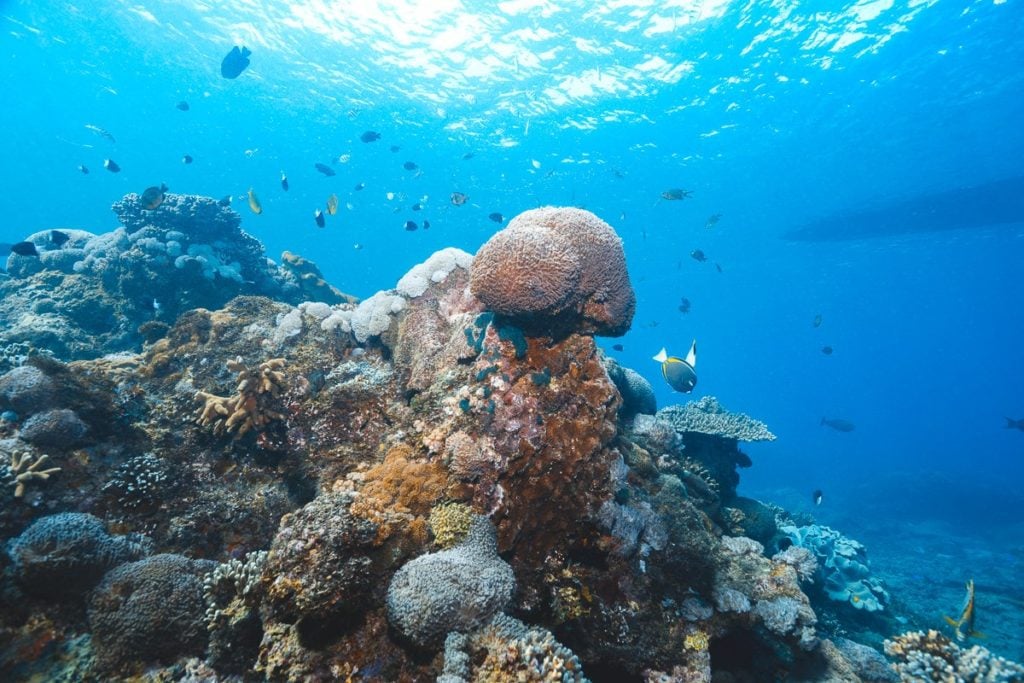
Nusa Penida's marine ecosystem is a precious treasure — one that requires every visitor's active protection. The same crystal-clear waters that attract snorkelers from around the world are home to fragile corals, endangered manta rays, and sea turtles that have existed for millions of years.
This guide outlines the essential rules of ethical snorkeling. By following these practices, you help ensure that future generations can experience the same wonder you're about to enjoy. Responsible tourism isn't optional — it's everyone's responsibility.
🌊 Choose an ethical tour operator!
All our tours follow strict eco-guidelines and contribute to local marine conservation.
Book Your Eco-Friendly Tour →The Core Rules of Ethical Snorkeling
Don't touch coral, fish, turtles, or manta rays — even gently
No oxybenzone or octinoxate — minerals only
3 meters from mantas, 2 meters from turtles
Never feed fish — it disrupts natural behavior
Use mooring buoys or sandy bottoms only
No souvenirs, no litter — not even fruit peels
• A single touch can kill coral polyps that took 50+ years to grow
• Manta rays have a protective mucus layer — touching removes it, causing infections
• One drop of chemical sunscreen can bleach an entire coral colony
The Manta Ray Code of Conduct
Manta rays are the crown jewels of Nusa Penida's waters, but they are also vulnerable. These gentle giants have the largest brain-to-body ratio of any fish and are capable of recognizing individual humans — but they also stress easily.
- Keep 3 meters (10 feet) distance — never chase or block their path
- Never touch — their skin is covered in protective mucus
- No flash photography — sudden bright light disorients them
- Stay on the surface — freediving down can startle them
- Let them come to you — mantas are curious; they will approach if you stay still
Protecting Sea Turtles
Green sea turtles are common at Crystal Bay and Gamat Bay. These endangered creatures are protected by Indonesian law — harassing or touching them carries heavy fines and potential jail time.
- Maintain 2 meters distance — let turtles surface for air without disturbance
- Never ride or chase turtles — they need their energy for survival, not escape
- Watch from above — turtles are easily stressed by divers/snorkelers below them
- Don't block their path to the surface — they need to breathe every 15-30 minutes
Coral Reef Etiquette
Coral reefs are living animals, not rocks. A single square meter of healthy reef can contain thousands of individual coral polyps, each the size of a pencil eraser. These polyps build reefs over centuries.
- Never stand on coral — even a footprint kills polyps instantly
- Control your fins — accidental kicks break decades of growth
- Maintain positive buoyancy — practice before visiting sensitive reefs
- Don't stir up sediment — suspended particles smother coral polyps
- Never anchor on reefs — use mooring lines (our boats always do)
Reef-Safe Sunscreen: What You Need to Know
Tropical sun is intense, but traditional sunscreens are devastating to marine life. Chemicals like oxybenzone, octinoxate, and homosalate cause coral bleaching, deform juvenile coral, accumulate in fish tissues, and disrupt marine reproduction.
What to look for: Mineral-based sunscreens with zinc oxide or titanium dioxide as the only active ingredients. Check labels — "reef-safe" isn't regulated, so always read the ingredient list.
What to avoid: Oxybenzone (benzophenone-3), Octinoxate (ethylhexyl methoxycinnamate), Octocrylene, Homosalate, and any nanoparticles (unless labeled "non-nano").
Good news: All our tours provide complimentary reef-safe sunscreen. Just ask your guide!
Responsible Underwater Photography
Capturing memories is part of the experience, but not at the expense of marine life.
- No flash photography — especially near mantas, turtles, and octopus
- Never touch or move subjects — especially seahorses and nudibranchs
- No selfie sticks — they encourage reaching toward wildlife
- Maintain distance — zoom with your feet, but don't chase
- Be patient — wait for animals to approach rather than forcing the shot
📸 Want amazing photos without disturbing wildlife?
Our guides are expert underwater photographers and know exactly how to get the shot while respecting marine life.
Book Your Tour →Leave No Trace: On the Boat and in the Water
The "Leave No Trace" principle applies completely to snorkeling. Everything you bring, take back with you.
- No littering — not even "biodegradable" fruit peels (they don't decompose quickly in saltwater)
- Don't take souvenirs — shells, coral pieces, and starfish belong in the ocean
- Dispose of waste properly — use rubbish bins on the boat, not the water
- Pick up any trash you see — be an ocean hero and remove litter others left behind
How to Choose an Ethical Tour Operator
Not all snorkeling tours in Nusa Penida follow ethical guidelines. Before booking, ask these questions:
- Do you provide reef-safe sunscreen?
- Do you enforce no-touch rules for mantas and turtles?
- Do you use mooring buoys instead of anchors on reefs?
- Are your guides trained in marine conservation?
- Do you limit group sizes to prevent over-crowding?
At Nusa Penida Snorkeling Tours, the answer to all these questions is YES. We're committed to protecting the ecosystem that sustains our business.
• We donate 5% of profits to local coral restoration programs
• All guides are trained marine naturalists and first responders
• We use only reef-safe sunscreen and provide it free to guests
• Our boats use mooring buoys — never anchors on reefs
• We strictly enforce marine life distance rules
What to Do If You See Unethical Behavior
If you witness another snorkeler touching marine life, standing on coral, or using chemical sunscreen, speak up politely. Most people simply don't know better. Say something like: "Please don't touch — these corals are alive and very fragile."
If you see a tour operator allowing unethical practices (touching mantas for photos, feeding fish, anchoring on reefs), report them to the Marine Protected Area office or leave a detailed review warning other travelers.
Ethical snorkeling isn't about restricting your fun — it's about ensuring that future generations can experience the same magic you're about to witness. Every small choice matters: the sunscreen you wear, the distance you keep, the trash you pick up.
Together, we can protect Nusa Penida's underwater wonderland for decades to come.
Conclusion: Your Adventure, Their Home
Remember: when you enter the ocean, you're entering the home of countless marine creatures. Treat their home with the same respect you'd want for your own. The reef doesn't need your touch — it needs your protection.
By choosing ethical practices and supporting responsible operators, you become part of the solution. The mantas, turtles, and corals thank you.
🌊 Ready to snorkel responsibly?
Join our eco-certified tours and experience Nusa Penida's marine life the right way.
View Eco-Friendly Packages → Contact Us →