
Crystal Bay Snorkeling Guide: Nusa Penida's Turtle Sanctuary
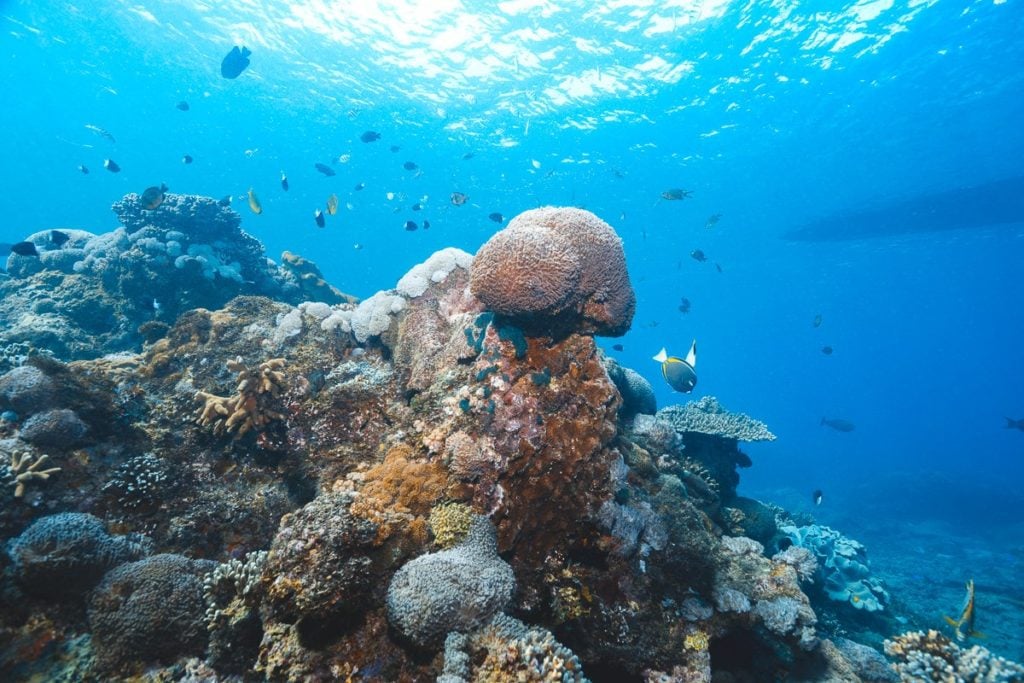
Crystal Bay occupies a different niche in Nusa Penida's snorkeling portfolio. Unlike the current‑driven drama of Manta Point or the macro‑hunting patience required at Gamat Bay, this horseshoe‑shaped cove offers straightforward access, reliable turtle encounters, and exceptional water clarity. It serves as the default introduction to the island's underwater world—and for good reason.
🐢 Guaranteed Turtle Sightings, Calm Conditions
Perfect for beginners, families, or anyone wanting easy entry and consistent marine life. Rental gear available.
Book A Private Crystal Bay Tour →Local guides have logged thousands of hours in this bay. They know precisely which sandy patches the green turtles favor for resting, which coral heads attract the largest schools of butterflyfish, and how tide levels affect entry difficulty. This knowledge, combined with the bay's forgiving conditions, makes Crystal Bay the most accessible high‑quality snorkeling site in the region.
This guide consolidates that expertise. Follow these recommendations, and you will leave Crystal Bay with turtle photographs and the satisfaction of having experienced Nusa Penida's most reliable snorkeling environment.
Geography & Access
Crystal Bay forms a natural amphitheater on Nusa Penida's western coastline. Cliffs rise on three sides, blocking prevailing winds from the south and east. The bay opens to the west, facing the Bali Strait. This orientation provides afternoon sunlight directly into the water—a feature that gives the site its name, as the sun illuminates the sandy bottom and coral formations from within.
The bay features a sandy beach at its innermost point, with shallow water extending approximately fifty meters before dropping to five or six meters at the reef edge. A broad coral garden occupies the eastern side of the bay, while mixed sand and coral patches cover the center and western areas.
Access options include shore entry from the beach or boat drop‑off directly over the reef. Shore entry requires navigating a rocky shoreline; water shoes are recommended. Boat entry places snorkelers immediately above the coral garden, eliminating the need for a long swim. Most tour operators choose boat entry for efficiency.
🗺️ Combine Crystal Bay With Other Popular Spots
Crystal Bay, Gamat Bay, and Manta Point in a single day. The most balanced snorkeling itinerary.
Book The Complete Safari →Seasonality & Tidal Considerations
Dry season (April through September) delivers the most favorable conditions. Calm winds and minimal rainfall produce visibility routinely exceeding twenty meters. During these months, the water clarity allows snorkelers to observe turtle behavior from the surface without descending.
Morning hours (8:00 AM to 11:00 AM) outperform afternoons. The sun sits low enough to illuminate the coral garden without creating harsh reflections. Turtle activity peaks during these hours as they graze on seagrass and algae.
Tide level affects entry method and coral accessibility. Low tide exposes the inner reef, making shore entry difficult and potentially damaging to coral. Boats can still access deeper water, but the shallows become inaccessible. High tide covers the reef entirely, allowing swimovers from the beach. Mid‑to‑incoming tide provides the most forgiving conditions for all access methods.
Post‑rainfall clarity can diminish temporarily. Runoff from heavy rain occasionally reduces visibility to ten meters or less for a day or two. Check recent weather reports before committing to a Crystal Bay visit if clarity is a priority.
Target Species & Viewing Strategies
Chelonia mydas – Green sea turtle. The undisputed star of Crystal Bay. Individuals range from juvenile to adult, with carapace lengths from forty centimeters to over a meter. They feed on seagrass and algae, rest on sandy bottoms, and surface for air every fifteen to thirty minutes. Multiple turtles occupy the bay simultaneously; sightings on a typical morning approach near‑certainty.
Acropora and Porites coral formations. Massive table corals (Acropora hyacinthus) dominate the eastern reef, their horizontal plates creating shade and habitat for juvenile fish. Boulder corals (Porites lobata) form dense mounds in deeper water. The coral coverage here ranks among the healthiest in the region, with minimal bleaching damage compared to other Indonesian sites.
Reef fish assemblages. Pyramid butterflyfish school above the coral heads. Orange‑fin anemonefish dart among their host anemones. Parrotfish scrape algae from dead coral surfaces, their crunching audible from the surface. Moorish idols patrol the reef edge in pairs. Sergeant majors guard their egg patches with visible aggression.
Occasional Mola mola (oceanic sunfish). From July through October, cold upwellings occasionally bring these massive fish closer to the surface. Snorkelers spot them in deeper parts of the bay—rare but possible. Scuba divers see them more frequently, as the fish typically remain below fifteen meters.
📸 Perfect For Underwater Photography
Turtles, corals, and reef fish in clear, calm water. Wide‑angle and macro both work well here.
Book A Photo‑Focused Tour →Current Dynamics & Swim Patterns
Crystal Bay features mild current compared to other Nusa Penida sites. The cliffs block prevailing winds, and the bay's shape dissipates wave energy. Incoming tide pushes water gently toward the beach; outgoing tide pulls toward the bay's mouth. Neither direction creates hazardous conditions for anyone wearing a life jacket.
Recommended swim pattern: enter at the eastern side of the bay, where the coral garden begins. Swim slowly along the reef edge, keeping the wall on your left. The mild current assists movement toward the center. Spend time scanning sandy patches between coral heads—turtles often rest there. After reaching the central area, turn and drift back along a slightly deeper line, giving you a different perspective on the same reef.
Snorkelers who stay in one spot near the coral garden's edge see plenty of marine life without covering distance. The turtles move through the area on predictable grazing routes. Stationary observation often proves more productive than constant swimming.
Equipment & Preparation
Snorkel mask and fins – standard. No specialized equipment required. Rental gear from tour operators performs adequately in these mild conditions.
Life jacket – recommended but not mandatory. The calm water makes jackets optional for competent swimmers. However, wearing one reduces fatigue and extends snorkeling duration. Families with children should require jackets.
Water shoes. Essential for shore entry. The rocky shoreline near the beach cuts feet easily. Shoes also protect against sharp coral fragments if you accidentally touch bottom in shallow areas.
Reef‑safe mineral sunscreen. The coral garden at Crystal Bay supports diverse marine life. Chemical sunscreens damage coral polyps. Use zinc oxide or titanium dioxide formulations exclusively.
Underwater camera – any type works. Turtles move slowly and tolerate close approach. Wide‑angle captures the coral garden scale. Macro captures clownfish and nudibranchs. GoPro or smartphone in a waterproof housing produces quality results.
Code Of Conduct
- Do not chase turtles. They swim away when pursued. Allow them to graze or rest undisturbed. Approach slowly from the side rather than directly from above.
- Maintain two meters minimum distance. Touching turtles stresses them and is illegal. Fines apply under Indonesian wildlife protection laws.
- Never stand on coral. Even a momentary touch damages living polyps. Hover or swim around rather than using coral for support.
- No feeding fish. Offering food alters natural behavior and can cause nutrient imbalances in the reef ecosystem.
- Dispose of waste properly. Carry out all trash. Cigarette butts, plastic wrappers, and food scraps do not belong in the ocean.
Crystal Bay Vs. Other Nusa Penida Spots
Versus Manta Point: Crystal Bay offers calm conditions and reliable turtle sightings; Manta Point offers pelagic action with mantas in moving water. Crystal Bay suits beginners; Manta Point requires current comfort. Combine both on a multi‑spot tour.
Versus Gamat Bay: Crystal Bay delivers visible turtles and colorful reef fish; Gamat Bay rewards patience with seahorses and cryptic species. Crystal Bay works for general interest; Gamat Bay appeals to macro photographers. Both can be visited in a single day.
Versus Wall Bay: Crystal Bay is sheltered and mild; Wall Bay demands drift technique and current tolerance. Crystal Bay welcomes all skill levels; Wall Bay restricts to advanced snorkelers. Most visitors should prioritize Crystal Bay unless seeking advanced conditions.
🏝️ Already Staying On Nusa Penida?
Direct hotel pickup. Morning or afternoon departure. Combine Crystal Bay with other spots or visit alone.
Book An Island Pickup Tour →Troubleshooting Common Issues
Cannot find turtles. Scan sandy patches between coral heads. Turtles blend with the bottom. Look for movement or the distinctive shape of a carapace. Ask your guide for directions; they know the day's resting locations.
Water appears murky after rain. Visibility occasionally drops temporarily. Shift focus to the coral garden where fish remain visible even in reduced clarity. Turtles may be harder to spot but still present.
Shore entry feels slippery. Water shoes provide traction. Walk slowly. Consider requesting boat entry from your operator if the shoreline proves challenging.
Mask fogging repeatedly. Apply commercial anti‑fog solution or diluted baby shampoo before entering. Rinse minimally. Avoid touching the inside lens after treatment.
Frequently Asked Questions
"Do I need a guide for Crystal Bay?" No. The bay is accessible for independent snorkelers. However, guides save time by taking you directly to active turtle areas and explaining reef ecology.
"Can I snorkel Crystal Bay from shore without a tour?" Yes. Park near the beach, rent gear from local vendors, and enter from the shoreline. Check tide levels before entering.
"How deep is the water at the coral garden?" Two to five meters, depending on tide. Most snorkeling occurs at three to four meters.
"What time of year offers the best turtle sightings?" Turtles occupy Crystal Bay year‑round. Dry season (April–September) provides the clearest viewing conditions.
"Can I see Mola mola from the surface?" Possible but rare. July through October offers the best chance. Scuba divers have better odds, as the fish typically stay deeper.
⚡ Short On Time? Try The Half‑Day Combo
Crystal Bay + Gamat Bay. Two distinct ecosystems. One efficient morning. Back by lunch.
Book The Half‑Day Combo →Final Recommendations
Crystal Bay serves as Nusa Penida's most forgiving and rewarding snorkeling site. The turtles come reliably. The coral garden remains vibrant. The water stays clear and calm. It offers a baseline against which other sites can be measured—and often, after experiencing drift currents or macro hunting, snorkelers return to Crystal Bay simply to enjoy floating and watching.
Go during dry season mornings. Choose a tide that covers the reef. Enter from a boat for efficiency or the beach for independence. Move slowly through the water. Scan sandy patches. And when a green turtle glides beneath you, watch it feed. Watch it surface. Let the experience remind you that the best underwater encounters often require nothing more than showing up in the right place at the right time.