
Gamat Bay Snorkeling Guide: Nusa Penida's Macro Paradise
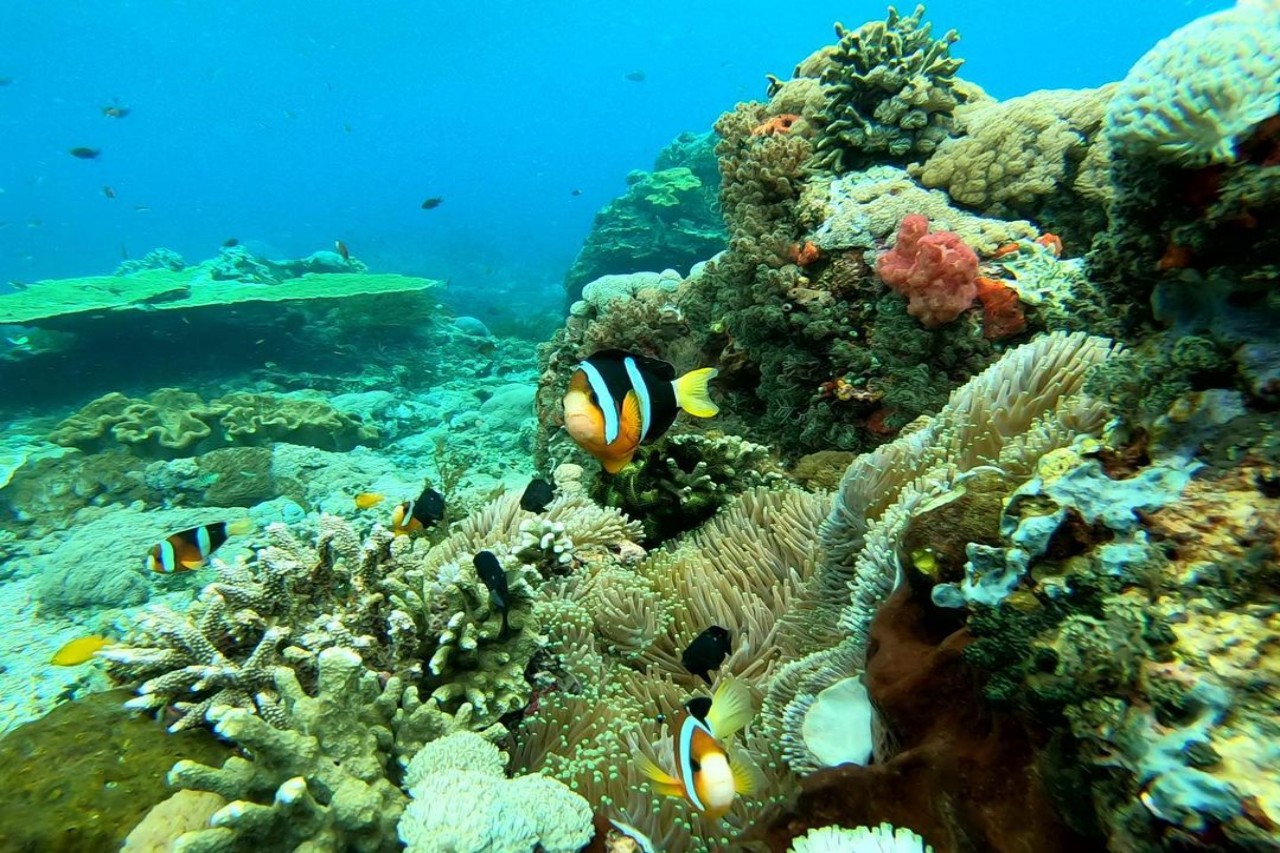
Gamat Bay demands nothing from its visitors except stillness. Unlike Manta Point where currents carry snorkelers through open water or Crystal Bay where turtles glide across sand, this small inlet on Nusa Penida's western coast asks only that one stop moving. The creatures that inhabit these seagrass meadows will not approach. The snorkeler must find them. And finding them requires hovering in place, scanning patiently, and training the eye to recognize animals that have perfected the art of invisibility.
🐠 Skip The Search. Let A Guide Show You.
Experienced spotters know exactly where the seahorses hide. Guests photograph while guides point. No guesswork involved.
Book A Private Guided Tour →Over hundreds of trips to this bay, local guides have watched snorkelers float past seahorses clinging to seagrass within arm's reach. They miss them every time—not because the seahorses hide especially well, but because most people swim too fast and look at the wrong depth. The guides who work this bay know the seagrass beds intimately. They recognize the subtle difference between a blade bent by current and a blade bent by a seahorse's tail. They spot mantis shrimp antennae twitching above burrows before the shrimp emerges.
This guide distills that accumulated knowledge. Read it carefully, follow the recommendations, and leave Gamat Bay with photographs and memories that most visitors never acquire.
Geography & Access
Gamat Bay occupies a small indentation on Nusa Penida's western coastline, positioned roughly midway between Crystal Bay to the north and the rocky headlands that lead toward Manta Point. Unlike the expansive horseshoe shape of Crystal Bay, Gamat Bay narrows as it curves inland. Cliffs rise on both sides, blocking wind from the south and east. The result ranks among the most consistently calm snorkeling environments in the region.
Seagrass meadows dominate the substrate from the shoreline outward to approximately fifty meters. Beyond that, sandy patches alternate with scattered coral heads. Maximum depth reaches six meters at the bay's mouth, though most snorkeling occurs in two to four meters of water.
Boat access remains the only practical option. No proper beach exists. Rocky shoreline makes shore entry difficult and damages the seagrass. Tour boats anchor directly over the meadows. Guests step off the ladder into water that immediately places them above the primary habitat zone. From Toyapakeh harbor, the journey takes twelve minutes. Tours originating in Bali add a forty-five minute crossing before reaching Nusa Penida's waters.
🗺️ See Four Faces Of Nusa Penida In One Day
Manta Point, Crystal Bay, Gamat Bay, and Wall Bay. The complete snorkeling safari.
Book The 4-Point Safari →Seasonality & Tides
Dry season (April through October) delivers the calmest surface conditions. The south-easterly trade winds that characterize this period deflect off the surrounding cliffs. Snorkelers experience minimal chop. Visibility typically reaches ten to fifteen meters, sufficient for spotting seahorses at the edge of visual range.
Rainy season (November through March) offers something different: denser seagrass. Nutrient runoff from increased rainfall accelerates growth. Grass blades lengthen, providing more attachment points for seahorses. The chances of encountering multiple seahorses increases substantially during these months, though visibility may decrease.
Tide timing matters more at Gamat Bay than at any other Nusa Penida snorkeling site. Low tide brings snorkelers closer to the seagrass—sometimes within one meter. At this proximity, individual seahorse body segments become distinguishable. High tide pushes floaters to three or four meters above the bottom. Seahorses remain visible, but details blur. Consulting tide charts before booking proves essential. Target a window that includes low tide, preferably during a spring tide (full moon or new moon) when water retreats farthest.
Morning sessions from 7:30 to 10:00 AM provide optimal lighting. The sun sits low enough in the east to illuminate the seagrass without creating harsh surface reflections. By late morning, overhead sun produces glare that obscures the view of the bottom. Afternoons remain possible but require more effort to position between the sun and the subject.
Target Species & Behavior
Hippocampus comes – The Tiger Tail Seahorse. This species appears regularly throughout the seagrass meadows at depths of one to four meters. Adults reach ten to fifteen centimeters. Coloration ranges from brownish-green to pale yellow with distinctive alternating dark and light bands on the tail—the feature that gives them their common name. Males carry developing young in a brood pouch on their abdomen. During rainy season months, observers may witness males giving birth, releasing dozens of fully-formed miniature seahorses into the water column.
Odontodactylus scyllarus – The Peacock Mantis Shrimp. One of the most visually striking animals in the Indo-Pacific. The body displays brilliant emerald green, legs and antennae fluoresce bright red, and the tail fan shows patches of deep blue. They reach twelve centimeters in length. Their club-like raptorial appendages accelerate with the force of a .22 caliber bullet—the fastest recorded punch in the animal kingdom. Snorkelers seldom witness hunting. Instead, they spot rainbow-colored bodies peeking from burrows in sandy patches between seagrass. Approaching slowly proves essential. Sudden movements cause retreat deep into holes.
Nudibranchs – Multiple Species. Chromodoris annae displays electric blue with yellow borders along its mantle. Phyllidia varicosa wears black and white longitudinal stripes. Hypselodoris bullocki glows purple with orange gill structures. These sea slugs crawl on rocks, dead coral rubble, and even seagrass blades. Most measure two to five centimeters. Their bright colors warn predators of chemical toxicity—a defense mechanism observable from a safe distance.
Solenostomus paradoxus – The Ghost Pipefish. Masters of vertical camouflage. They hover at angles between forty-five and ninety degrees, mimicking drifting seagrass fragments or pieces of broken coral. Their transparent to translucent bodies feature irregular blotches and filaments that complete the illusion. An observer might stare directly at one without recognizing it as a fish. Slight movements against the current or subtle shifts in orientation betray their presence.
Juvenile boxfish and filefish. Young boxfish appear as tiny bright yellow cubes drifting near the edges of seagrass meadows. They measure barely larger than a thumbnail. Filefish hover horizontally, watching with large eyes. Both species exhibit curiosity and may approach within centimeters—a notable contrast to the wary seahorses.
📸 Macro Photographers: This Bay Was Made For You
Guides position snorkelers within centimeters of seahorses, nudibranchs, and mantis shrimp for optimal shots.
Book A Photo-Focused Expedition →Current Dynamics & Safety
Gamat Bay ranks among the safest snorkeling locations in the Nusa Penida Marine Protected Area. The surrounding geography deflects wind and dissipates wave energy before it reaches the seagrass meadows. Snorkelers experience mild currents at most—typically less than half a knot, which even novice swimmers manage without difficulty.
The only zone requiring attention sits near the bay's mouth where water accelerates through the narrow opening between cliff faces. Current speeds there can reach one to two knots. Local guides mark this boundary clearly. Guests should stay inside the marked area. The best marine life lives in the calm interior anyway.
Outgoing tide pulls gently toward the open ocean. One notices the movement but need not fight it. Incoming tide pushes water into the bay. Neither direction creates hazardous conditions for anyone wearing a properly fitted life jacket.
Equipment Selection
Low-volume mask. Snorkelers spend extended periods looking straight down. A mask with minimal internal air space stays clear longer because exhaled moisture has less volume to diffuse across the lens. Cressi's Calibro, Aqua Lung's MicroMask, and similar designs work well. Rental masks typically feature higher volume. Bringing a personal mask serves macro photographers well.
Short fins. Propulsion matters less at Gamat Bay than fine control. Long fins generate thrust that stirs sediment and damages seagrass. Short fins allow hovering without disturbing the bottom. Travel fins or even bare feet work acceptably in this shallow, calm environment.
Camera with macro capability. A GoPro with a +10 or +15 macro lens attachment captures reasonable detail from ten to fifteen centimeters. A compact camera with dedicated macro mode (Olympus TG-6 or TG-7, Sony RX100 series in a housing) produces superior results. A mirrorless or DSLR system in an underwater housing with a 60mm or 90mm macro lens delivers professional-grade images. Whatever one brings, learning its macro function before entering the water prevents frustration while floating above a seahorse that may swim away at any moment.
Reef-safe mineral sunscreen. Seagrass absorbs chemical sunscreens through its leaves. The meadows at Gamat Bay serve as nursery habitat for dozens of fish species. Protect them by using zinc oxide or titanium dioxide formulations exclusively.
Code Of Conduct
- Do not grab seagrass. Seahorses wrap their tails around individual blades. Pulling grass can dislodge them. Even without seeing a seahorse attached, one may disturb the blade it uses for shelter.
- Never touch seahorses. Their tails grip with surprising force. Removing them from seagrass requires strength that damages their vertebrae. Observe. Photograph. Do not handle.
- Keep fins off the bottom. Stirring sediment buries small creatures and damages seagrass. Hover above the grass. Practice neutral buoyancy before visiting if fin control proves difficult.
- Avoid rapid movements. Seahorses retreat deeper into the grass. Mantis shrimp withdraw into burrows. Octopus vanish into crevices. Slow, deliberate floating allows these creatures to continue their natural behavior while being observed.
Search Strategy
Seahorses. Focus on the middle sections of seagrass meadows where water depth reaches two to three meters. Avoid edges near rocks. Seahorses prefer open grass where consistent current flow brings plankton past their waiting mouths. Look for vertical shapes that do not sway with surrounding vegetation. Their bodies point upward at an angle while tails wrap horizontally around blades.
Mantis shrimp. Scan sandy patches between seagrass. Look for small holes—roughly two centimeters in diameter. Approach slowly. Watch for two eyes on stalks peeking from the opening. The mantis shrimp surveys its surroundings before emerging. If eyes appear, stopping movement completely may cause the shrimp to come out and hunt, providing an unobstructed view.
Nudibranchs. Examine rocks and dead coral rubble where sand meets reef. Low tide brings them shallower. Their bright colors stand out against dark backgrounds. Most are smaller than a thumb. Scanning systematically in a grid pattern rather than floating randomly yields better results.
Ghost pipefish. Check seagrass edges where grass transitions to sand. Look for vertical sticks that do not belong. Their translucent bodies catch light differently than surrounding grass. Patience matters more than technique here. Some days reveal several. Some days reveal none.
🏝️ Already Staying On Nusa Penida?
Direct hotel pickup from anywhere on the island. Choose morning or afternoon departure. No wasted time.
Book An Island Pickup Tour →Troubleshooting
Cannot locate seahorses. Stop swimming. Hover in place. Seahorses freeze when they detect movement. Remaining still for sixty to ninety seconds allows them to resume normal behavior. Scan the same patch of grass repeatedly. Each pass reveals something new.
Reduced visibility after rainfall. Rainy season sometimes delivers murky water. Shift focus to reef edges where nudibranchs and boxfish remain visible even in lower clarity. The seagrass becomes harder to search effectively under these conditions.
Camera focusing issues. Macro photography requires proximity. Get within ten to fifteen centimeters of the subject. Use continuous autofocus mode with a single central focus point. Shoot multiple frames in rapid succession to increase odds of one sharp image. Asking a guide to steady one's shoulder helps when current moves.
Feeling unproductive. Gamat Bay tests patience. Some days deliver five seahorses. Other days deliver one. The difference often reflects tide stage and recent weather more than skill. Returning at a different tide transforms the experience dramatically.
Frequently Asked Questions
"Is Gamat Bay suitable for beginner snorkelers?" Yes. The shallow depth, mild current, and protected geography make it ideal for first-timers. Children as young as seven manage easily with properly fitted life jackets.
"Do I need a guide to see seahorses?" One can find them without a guide, but expect to spend most of the session searching. Guides take guests directly to known seahorse territories. They spot creatures that would otherwise go unnoticed. The time saved justifies the cost for most visitors.
"How much time should I allocate to Gamat Bay?" Ninety minutes minimum. Two hours for serious photography. The bay is small but dense with life. Moving slowly rather than covering distance yields better results.
"Can I visit Gamat Bay as part of a multi-spot tour?" Yes. Most private tours include Gamat alongside Crystal Bay and Manta Point. The three spots complement each other perfectly—pelagics, turtles, and macro creatures in one day.
"What time of day produces the best photographs?" 8:00 AM to 9:30 AM during low tide. Low-angle sunlight penetrates without creating harsh shadows. Seahorses show their true green and brown tones rather than washed-out hues.
⚡ Short On Time? Try The Combo Tour
Gamat Bay + Crystal Bay. Two distinct ecosystems. One efficient morning. Back by lunch.
Book The Half-Day Combo →Final Recommendations
Gamat Bay separates casual snorkelers from dedicated observers. The former float through, see green grass, declare nothing interesting, and move on. The latter hover, wait, and witness behavior that reveals itself only to those willing to remain stationary for extended periods.
The choice belongs to each visitor. Go during low tide, preferably spring tide. Move slowly—slower than feels natural. Stop frequently. Watch for movement rather than shapes. Bring a camera with macro capability. And upon finding the first seahorse, hold position. Watch it feed. Watch its tail adjust its grip as current shifts. Let the experience teach that the best underwater encounters often require nothing more than the willingness to be still.