
Manta Point Snorkeling Guide: Nusa Penida's Pelagic Arena
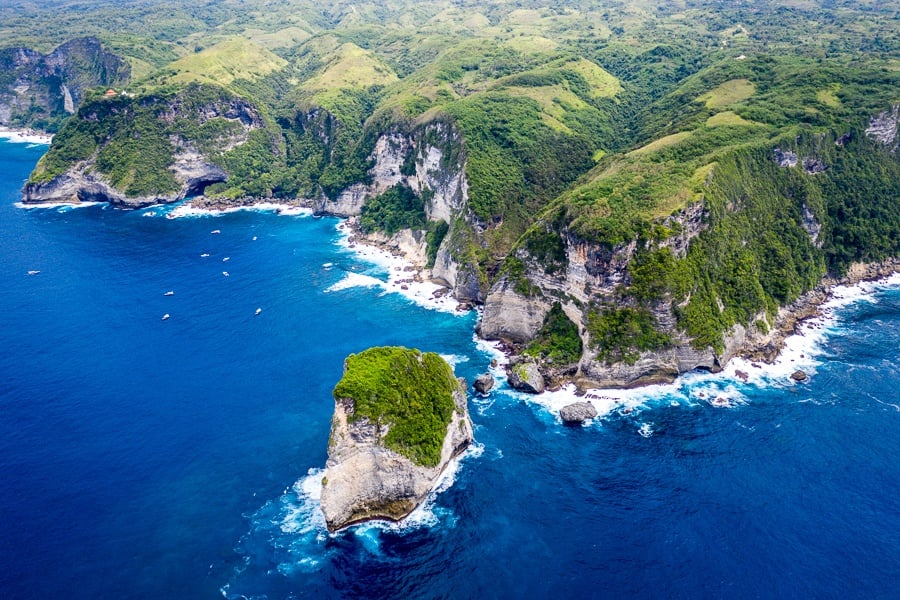
Manta Point occupies a singular position in Nusa Penida's snorkeling hierarchy. No other site offers the same consistent, close‑range encounters with reef mantas (Mobula alfredi). The current here does not merely flow—it structures the entire ecosystem, drawing plankton from the Lombok Strait and concentrating it over a series of submerged boulders that serve as cleaning stations. Snorkelers who master the drift technique witness one of the Indo‑Pacific's most reliable manta aggregation sites.
🦈 The World's Most Reliable Manta Snorkeling
Ninety‑five percent sighting success. Experienced guides. Premium drift equipment. Not a beginner site.
Book A Private Manta Point Tour →Local guides who run this site daily recognize individual mantas by their ventral spot patterns—each animal carries a unique identifier, like a fingerprint. They know which cleaning stations see the most traffic, how current direction affects manta positioning, and when plankton blooms will draw larger aggregations. This operational knowledge transforms a potentially intimidating drift snorkel into a structured, repeatable experience.
This guide consolidates that expertise. Adhering to these recommendations will maximize sighting probability and ensure safe navigation of the site's dynamic conditions.
Location & Hydrography
Manta Point occupies an exposed section of Nusa Penida's southern coastline, approximately twenty minutes by boat from Toyapakeh harbor. Unlike sheltered bays, the site lies fully open to the Lombok Strait, where deep‑water upwellings create the nutrient‑rich currents that mantas exploit.
The underwater topography consists of a series of volcanic boulders rising from a sandy bottom at twelve to fifteen meters. These boulders host cleaner fish—principally the bluestreak cleaner wrasse (Labroides dimidiatus)—that remove parasites from visiting mantas. The cleaning stations are the focal points of snorkeling activity; mantas hover over specific boulders for extended periods.
Current flows across the site parallel to the coastline, driven by tidal exchange between the Bali Sea and the Indian Ocean. Speed typically ranges from one to three knots, accelerating during spring tides. Drift snorkeling is not optional—it is the only practical way to cover the site efficiently.
🗺️ Combine Manta Point With Other Advanced Sites
Manta Point, Crystal Bay, and Gamat Bay in one day. The most popular multi‑spot itinerary.
Book The Complete Safari →Optimal Timing & Current Windows
Manta season peaks November through March. The rainy season brings increased plankton blooms, which attract larger manta aggregations. During these months, sightings of ten to fifteen individuals in a single drift are common. However, surface conditions degrade—wind strength increases, and visibility may drop.
Dry season (April through October) offers superior visibility and calmer seas. Manta numbers remain high, though aggregations rarely match rainy season peaks. The trade‑off between water clarity and manta quantity favors dry season for photographers and those preferring comfortable surface conditions.
Slack tide windows are critical at Manta Point just as at Wall Bay. Current speed drops significantly during the hour surrounding high and low tide transitions. Guides schedule arrivals accordingly. Drifting during peak current results in faster movement over the cleaning stations, reducing observation time.
Morning departures (8:00 AM to 10:00 AM) coincide with more favorable tide phases and minimal wind. Afternoon trips encounter stronger currents and choppier surface conditions. Sunrise expeditions offer the calmest water but require earlier starts.
Manta Ray Behavior & Sighting Strategies
Mobula alfredi – Reef manta ray. Individuals reach three to four meters in wingspan. They feed on zooplankton, filtering water through their gill plates while swimming with mouths open. At Manta Point, they primarily visit cleaning stations, hovering over specific boulders for several minutes while cleaner fish pick parasites from their skin and gills.
Mantas do not approach snorkelers aggressively. They tolerate close proximity when snorkelers remain stationary and avoid sudden movements. Experienced guides position guests up‑current of active cleaning stations; mantas drift toward them naturally.
Cleaning station identification. Certain boulders attract more mantas than others due to cleaner fish density. Guides recognize these productive stations and direct snorkelers accordingly. The cleaning symbiosis is the primary reason mantas congregate—not feeding, not mating, not resting.
Secondary species. Eagle rays occasionally pass through the site. Leopard sharks rest on sandy patches between boulders. Schools of fusiliers and trevally inhabit the mid‑water column.
🐋 Focused Manta Expeditions
Half day. Express departure. Maximum time at cleaning stations. Minimal travel between sites.
Book An Express Manta Trip →Current Dynamics & Drift Protocol
Manta Point features a unidirectional current that flows across the cleaning station boulders. Direction reverses with the tide. Incoming tide pushes water from south to north; outgoing tide reverses the flow. Speed varies from one to three knots.
The drift protocol proceeds as follows: the boat positions up‑current of the cleaning station cluster. Snorkelers enter simultaneously, maintaining close proximity to the guide. The current carries the group over the boulders. Mantas appear below. Snorkelers observe while drifting. The boat follows the group's drift path. At the end of the drift—typically after four hundred to six hundred meters—the boat retrieves all participants and returns up‑current for another pass.
Most tours complete three to four drift passes. Each pass lasts fifteen to twenty minutes. Remaining stationary is impossible; the current moves constantly. The skill lies in using fins only to steer—adjusting position relative to the group—rather than swimming against the flow.
Equipment & Preparation
Life jacket – mandatory. The current at Manta Point can separate snorkelers from their group within seconds. A brightly colored life jacket increases visibility to the boat. Wear it properly. Inflate it fully.
Exposure protection. Water temperature ranges from 24 to 27 degrees Celsius. Drift technique keeps the body stationary relative to moving water, accelerating heat loss. A 3mm shorty wetsuit or full‑length rash guard provides necessary insulation.
Properly fitting fins. Secure fins are essential. Open‑heel fins with adjustable straps outperform full‑foot pocket fins. Practice finning technique before arrival; inefficient kicking leads to rapid fatigue.
Motion sickness medication. The crossing to Manta Point exposes boats to open ocean swell. Seasickness affects many visitors. Medication taken one hour before departure prevents most issues.
Wide‑angle camera setup. Mantas are large; capturing their scale requires wide coverage. A GoPro in SuperView mode suffices. A compact camera with a 24mm equivalent lens produces better results. Avoid macro lenses entirely.
Code Of Conduct
- Do not chase mantas. Mantas will not approach if pursued. Remain stationary; they drift toward you.
- Maintain three meters minimum distance. Touching mantas damages their protective mucus layer, risking infection. Fines apply.
- No flash photography. Sudden bright light startles mantas. Natural illumination at the surface is sufficient.
- Stay on the surface. Free‑diving toward mantas stresses them and increases current risk. Snorkeling from the surface provides excellent viewing.
- Signal fatigue immediately. Raise one arm above your head. Wave slowly. The boat will approach and retrieve you.
What Experienced Snorkelers Understand
Current timing determines everything. Arriving outside slack tide results in faster drift and reduced observation time. Guides who adjust departure times to match tide windows outperform those following fixed schedules.
Cleaning station productivity varies by tide stage. Certain boulders attract more mantas during incoming tide; others peak during outgoing flow. Local knowledge informs which stations to prioritize.
Mantas show predictable flight paths. They approach cleaning stations from down‑current, hover for several minutes, then exit up‑current. Positioning up‑current of active stations yields the closest encounters.
Overcast days can improve sightings. Bright sunlight penetrates deeper, but mantas sometimes stay shallower under cloud cover. Don't cancel based on clouds.
🌅 Sunrise Expedition: Before The Crowds
First boats on site. Glassy water. Active mantas. Includes beach breakfast after snorkeling.
Book A Sunrise Manta Trip →Troubleshooting Common Issues
Current feels too strong. Hold your guide's hand or grasp the tow line if provided. Riding the current requires no swimming effort. Relax and let it carry you.
Cannot see mantas clearly. Look toward the boulders, not the open water. Mantas hover close to the cleaning stations. Lower your face and scan the bottom.
Mask fogging during drift. Apply anti‑fog solution before entering. Remove moisture from the mask skirt before donning. Avoid touching the inside lens after treatment.
Feeling seasick after crossing. Inform your guide immediately. They may keep you on the boat during the first drift. Ginger candy or additional medication may help.
Frequently Asked Questions
"What is the sighting success rate?" Ninety‑five percent on guided tours. The remaining five percent receive a fifty percent refund or free rebooking.
"Do I need previous drift snorkeling experience?" Experience helps but is not mandatory. Guides provide thorough briefings and remain in the water throughout the drift.
"Can children snorkel Manta Point?" Children twelve and older with strong swimming skills may join. Younger children or weak swimmers should avoid the site due to current strength.
"What is the best month for mantas?" November through March offers largest aggregations. April through October offers best visibility.
"How long do we stay at Manta Point?" Group tours stay forty to fifty minutes. Private tours extend to one hour or more. Sunrise expeditions sometimes exceed ninety minutes before other boats arrive.
🏝️ Already On Nusa Penida? Island Pickup Available
Direct hotel pickup. Combine Manta Point with other spots or focus exclusively on mantas.
Book An Island Pickup Tour →Final Recommendations
Manta Point represents Nusa Penida's most distinctive snorkeling experience—not because of corals or turtle encounters, but because of the pelagic megafauna that gathers there consistently. The current defines the site. The cleaning stations structure manta behavior. The drift technique unlocks access.
Book during the rainy season for highest manta numbers. Book during dry season for best visibility. Arrive at slack tide. Wear a life jacket. Stay close to your guide. Keep your face in the water. And when the first manta materializes from the blue, resist the urge to chase. Let it pass. Watch it circle back. That is the encounter you came for.